
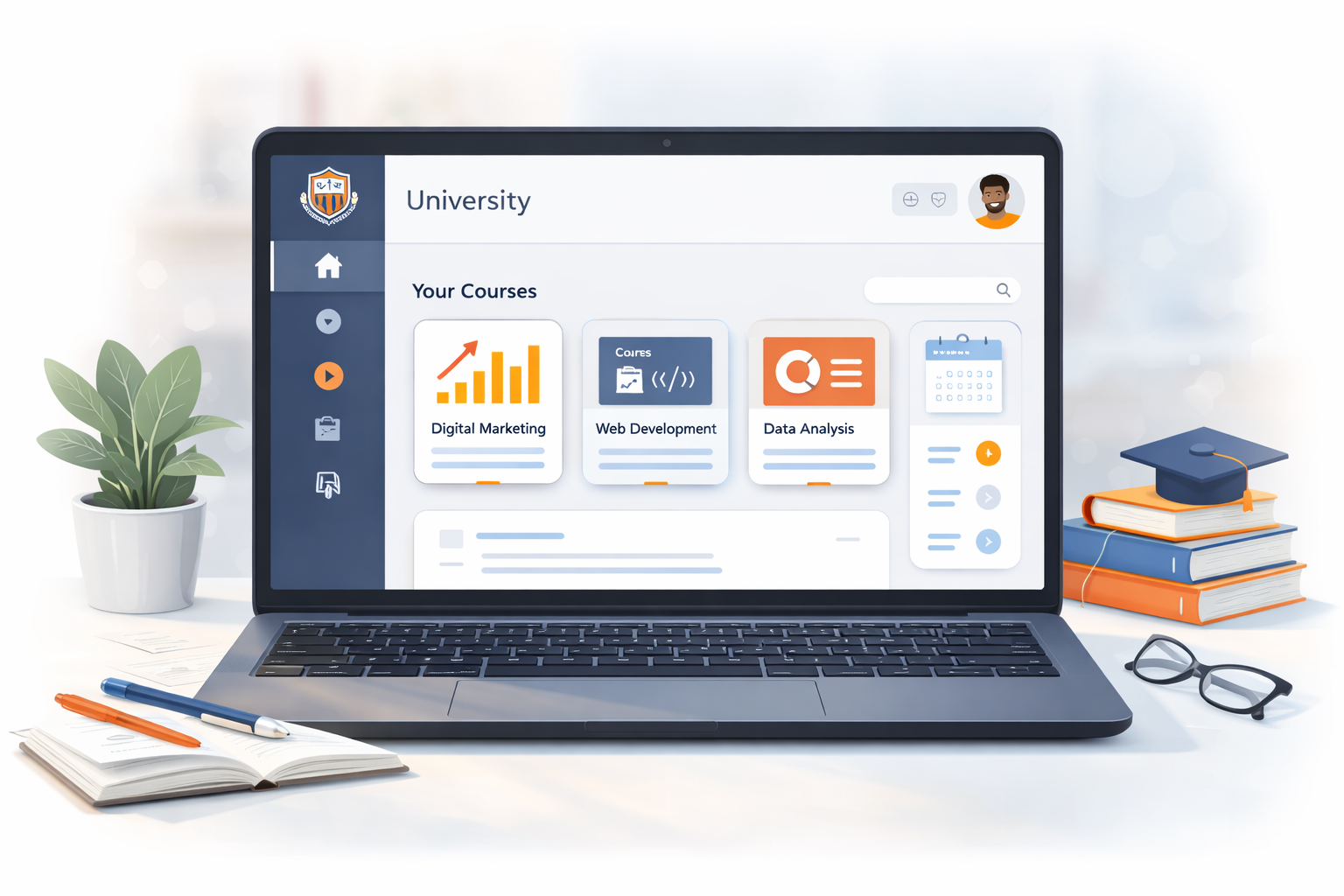
Zetech E-Learning Portal: Login, Courses, and Student Support Guide
What Is the Zetech E-Learning Portal?
The Zetech e-learning portal is an online learning system designed to give students access to digital courses, academic resources, and institutional support services. It serves as a centralized platform where learners can log in, attend virtual classes, submit assignments, and track academic progress.
As more institutions adopt digital learning models, platforms like the Zetech e-learning portal play a critical role in ensuring continuity, flexibility, and accessibility in higher education.
How to Log In to the Zetech E-Learning PortalThe login process for the Zetech e-learning portal is designed to be simple and secure. While interfaces may evolve, the general process includes:
-
Visiting the official Zetech student learning system
-
Selecting the student login option
-
Entering your registered student email or ID
-
Inputting your password
-
Accessing your personalized learning dashboard
Once logged in, students can view enrolled courses, announcements, learning materials, and academic schedules.
Understanding how learning portals function is a core component of using modern online learning platforms effectively.
Courses Available on the Zetech E-Learning PortalThe Zetech e-learning portal supports a wide range of academic and professional courses, depending on the learner’s program of study. These typically include:
-
Diploma and degree programs
-
Professional and technical courses
-
Continuous education and short courses
Digital course delivery allows learners to combine theoretical knowledge with interactive resources such as videos, quizzes, and discussion forums. Many of these methods align with innovative strategies for engaging students in online environments.
Student Support and Learning ResourcesBeyond course access, the Zetech e-learning portal integrates student support features that enhance the learning experience. These may include:
-
Academic announcements and notices
-
Lecturer communication tools
-
Assignment submission and feedback
-
Access to digital libraries and learning materials
Strong student support systems are essential for online learning success. Research shared by Edutopia highlights that students perform better when digital platforms combine academic content with guidance and communication tools.
Educators can also improve learner outcomes by applying insights from educational psychology principles, which emphasize motivation, clarity, and feedback.
Why Secure Login Matters in University Learning PortalsSecurity is a critical feature of any institutional e-learning system. Secure authentication ensures:
-
Protection of student records
-
Integrity of academic assessments
-
Privacy of learning data
According to UNESCO, digital education systems must prioritize data protection and secure access to maintain trust and system reliability.
The Zetech e-learning portal follows this global best practice by ensuring that only registered users can access course content and academic services.
How E-Learning Portals Support Academic SuccessUniversity e-learning portals help students succeed by offering:
-
Flexible access to learning materials
-
Structured course organization
-
Progress tracking and performance insights
-
Reduced dependency on physical classrooms
These benefits reflect trends highlighted by the OECD, which notes that digital learning platforms increase participation and completion rates in higher education.
Institutions that invest in digital infrastructure also align more effectively with technology-enhanced learning models used worldwide.
Final ThoughtsThe Zetech e-learning portal represents how modern universities are adapting to digital education. By providing secure login access, structured courses, and integrated student support, it enables learners to study effectively in a flexible environment.
At Uni-B Academy, we encourage learners and educators to understand how institutional learning portals work, as they are central to the future of higher education and lifelong learning.
Exploring different digital education systems helps learners make informed decisions about their academic and professional growth.