
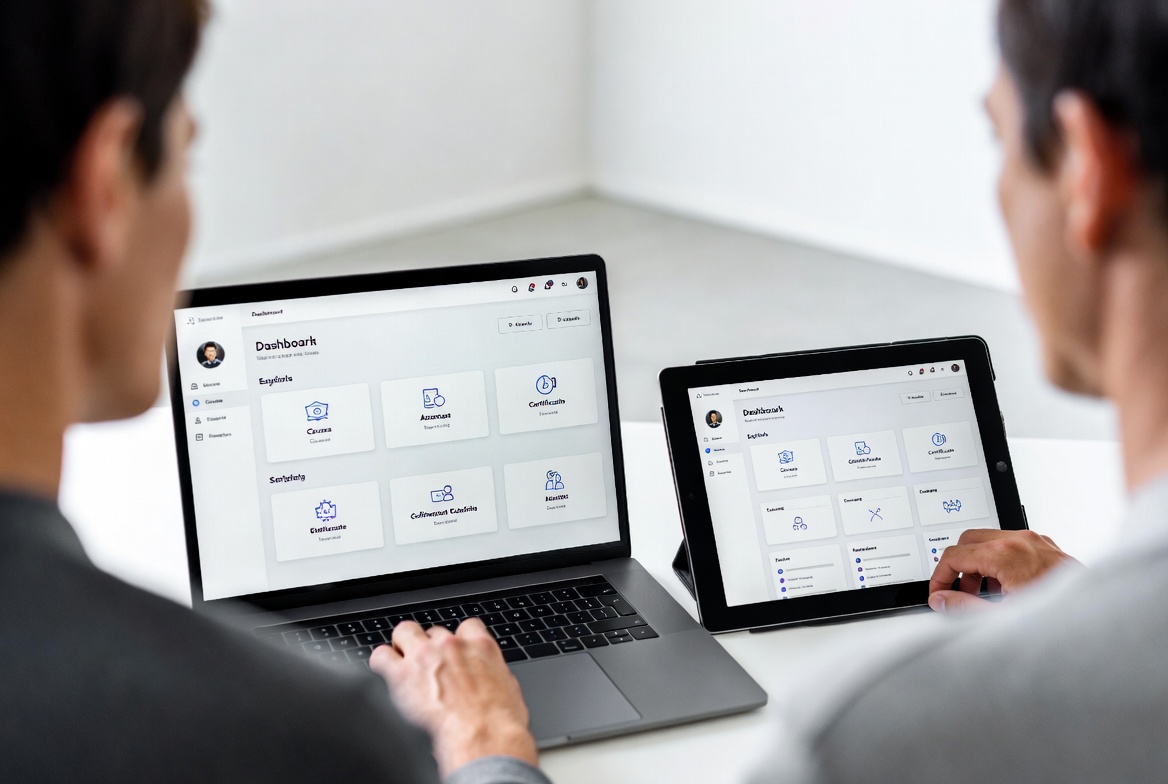
What Is an Online Learning Platform? A Complete Guide for Modern Education.
What Is an Online Learning Platform? A Complete Guide for Modern Education
Education has moved far beyond physical classrooms. Today, learning happens anytime, anywhere and at the center of this shift is the online learning platform.
Whether you are a student, teacher, institution, or lifelong learner, understanding how online learning platforms work is essential in today’s digital education landscape.
This guide explains what an online learning platform is, how it functions, and why it plays a critical role in modern education.
What Is an Online Learning Platform?
An online learning platform is a digital system designed to deliver, manage, and track educational content and learning experiences over the internet.
Unlike simple video libraries, an online learning platform brings together:
-
Learning materials
-
Learners and educators
-
Assessments and progress tracking
-
Communication and feedback tools
All within a single, structured environment.
Platforms like those discussed at Uni-B Academy are built to support both teaching and learning at scale.
Core Features of an Online Learning Platform
A well-designed online learning platform typically includes:
1. Course Management
Educators can upload lessons, organize modules, and structure learning paths. This mirrors principles explained in curriculum development and crafting effective learning paths, where content is designed with clear outcomes.
2. Learner Progress Tracking
Platforms monitor completion rates, assessment scores, and engagement, allowing learners to understand their progress and educators to provide targeted support.
3. Assessments and Evaluation
Quizzes, assignments, and tests are built directly into the system, aligning with effective evaluation techniques for teachers.
4. Communication Tools
Discussion boards, messaging, and announcements ensure interaction, reducing isolation in digital learning environments.
Why Online Learning Platforms Matter Today
The rise of the online learning platform is not accidental. According to UNESCO, digital learning systems are critical for expanding access to quality education globally.
Online learning platforms help:
-
Remove geographic barriers
-
Support flexible learning schedules
-
Scale education affordably
-
Promote inclusive learning environments
They are now essential tools in schools, universities, and professional training programs.
Online Learning Platforms vs Traditional Classrooms
Traditional classrooms rely on fixed schedules and physical presence. An online learning platform, however, offers:
-
On-demand access to content
-
Self-paced learning
-
Data-driven personalization
Research highlighted by EdTech Magazine shows that blended learning models—combining online platforms with classroom instruction—often produce better learning outcomes.
This is why many institutions now integrate platforms discussed in technology in the classroom initiatives.
Who Uses Online Learning Platforms?
Online learning platforms serve diverse users:
-
Students pursuing academic qualifications
-
Teachers managing digital classrooms
-
Professionals upgrading skills
-
Institutions delivering distance education
They also support parents and communities, reinforcing concepts explored in parental involvement and building strong home learning environments.
The Future of Online Learning Platforms
Online learning platforms continue to evolve with:
-
Artificial intelligence for personalization
-
Data analytics for performance insights
-
Mobile-first learning experiences
-
Improved accessibility and inclusivity
Insights from World Economic Forum reports confirm that digital education platforms will remain central to workforce development and lifelong learning.
Final Thoughts: A Foundation for Modern Learning
An online learning platform is more than a tool—it is an ecosystem that supports learning, growth, and opportunity.
At Uni-B Academy, we view online learning platforms as the backbone of modern education, enabling learners and educators to connect, collaborate, and succeed in a digital world.
Choosing the right platform is not about trends—it’s about aligning learning with purpose, structure, and impact.